
Secure Payment
100% Secure Payment
30 Days Return
If Products have Problems
Free Delivery
For all Orders over $500
BUY FENTANYL ONLINE NEAR ME
Buy Fentanyl Near Me. What Is Fentanyl Used For? Medical Uses, Surgery, Anesthesia, Cancer Pain, Labor, Procedures, Sedation, and Veterinary Applications.
Fentanyl is one of the most important opioid medications used in modern medicine. Although fentanyl has become widely associated with overdose and illicit drug markets, it is important to understand that pharmaceutical fentanyl has legitimate and essential medical uses.
Fentanyl is a powerful synthetic opioid with an important and legitimate role in modern medicine. It can provide profound pain relief and is widely used in carefully controlled surgical and medical settings.
At the same time, fentanyl’s exceptional potency means that misuse can be extremely dangerous.
The modern fentanyl crisis is driven largely by illicitly manufactured fentanyl, counterfeit pills, and unpredictable illicit drug supplies—not by the ordinary medical administration of fentanyl under professional supervision. CDC surveillance continues to show that fentanyl is a major contributor to overdose mortality in the United States.
The most important safety message is simple: suspected opioid overdose should be treated as an emergency. Naloxone can reverse opioid overdose, and rapid emergency intervention can save a life. Fentanyl Powder for sale online | Fentanyl for sale online | Best place to buy fentanyl Online | Buy fentanyl online | Buy Fentanyl Powder Online | Fentanyl powder for sale online | Buy Fentanyl Without Prescription | Order fentanyl powder online | Places to Buy Fentanyl Online | Best Places to Buy Fentanyl Online | Buy Fentanyl Powder for sale online | Furanyl fentanyl powder Online | fentanyl online store | Buy Furanyl fentanyl powder Online | Is it safe or secure to Buy Furanyl Fentanyl powder online | Buy Furanyl Fentanyl powder online without Prescription | Buy Powder Fentanyl Online
FENTANYL POWDER FOR SALE NEAR ME
-
Sale!
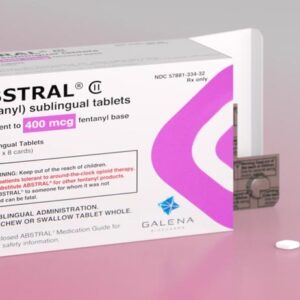
Abstral Sublingual Tablets
Price range: $310.00 through $6,555.00 -
Sale!
Acetyl fentanyl powder
Price range: $185.00 through $1,955.00 -
Sale!
Actiq Fentanyl Lollipop
Price range: $240.00 through $21,500.00 -
Sale!
Buy carfentanil online
Price range: $175.00 through $5,555.00 -
Sale!
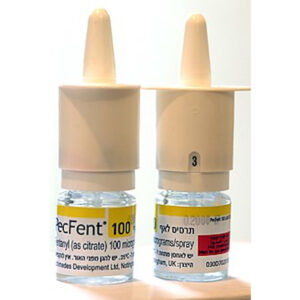
Buy Fentanyl Nasal Spray Online
Price range: $335.00 through $1,555.00 -
Sale!
Buy Fentanyl Online Near Me
Price range: $250.00 through $3,500.00 -
Buy Fentanyl Powder
Price range: $250.99 through $3,500.99 -
Sale!
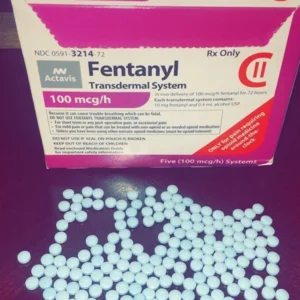
Buy Fentanyl Tablets Online
Price range: $185.00 through $815.00 -
Sale!
Buy Furanyl Fentanyl Powder Online
Original price was: $70.00.$62.00Current price is: $62.00.
HOW FENTANYL WORKS
How Fentanyl Works: Effects on the Brain and Body, Side Effects, Long-Term Effects, Addiction, and Why Fentanyl Is So Powerful
Fentanyl is one of the most powerful opioid medications used in modern healthcare. Its effectiveness comes from the way it interacts with the nervous system, particularly the mu-opioid receptors responsible for regulating pain, pleasure, breathing, and several other body functions.
The same biological pathway that allows fentanyl to provide powerful pain relief is also responsible for many of its risks.
When used correctly in a medical setting, fentanyl can be a valuable medication. However, excessive exposure, misuse, or exposure to illicitly manufactured fentanyl can overwhelm the body’s opioid system and create life-threatening complications.
buy fentanyl nasal spray online for sale | where can i buy fentanyl nasal spray | how can i buy fentanyl nasal spray | buy| fentanyl orange county | fentanyl orange county for sale | order fentanyl orange county | where to buy fentanyl patch | how to| buy fentanyl patch | how can i buy fentanyl patch | buy fentanyl patch online | fentanyl powder | fentanyl powder for sale | order fentanyl powder | fentanyl powder for sale online | order fentanyl powder online | fentanyl powder Canada | fentanyl powder spain | fentanyl powder France | fentanyl powder usa | fentanyl powder ca | fentanyl powder California | fentanyl powder for sale Canada | fentanyl powder Europe | buy fentanyl powder online usa | buy fentanyl powder online ca | buy fentanyl powder europe | fentanyl powder for sale usa | fentanyl powder for sale Canada | fentanyl powder colorado
FAQS ABOUT FENTANYL POWDER ONLINE
What Is Fentanyl?
Fentanyl is a synthetic opioid medication that belongs to the class of drugs known as opioid analgesics. It was originally developed for medical use as a powerful pain-relieving medication and is considered one of the strongest opioids available for clinical treatment.
Unlike naturally occurring opioids such as morphine, which are derived from the opium poppy plant, fentanyl is created through chemical synthesis in laboratories.
Fentanyl works by interacting with opioid receptors in the central nervous system, particularly mu-opioid receptors, which are responsible for regulating pain perception, emotions, breathing, and feelings of reward.
When fentanyl activates these receptors, it can:
- Reduce the sensation of pain
- Produce relaxation
- Create feelings of calmness or euphoria
-
- Reduce anxiety associated with severe pain
- Cause sedation
- Slow breathing
Because of its strength and rapid effects, fentanyl requires careful dosing and medical monitoring.
How Fentanyl Was Discovered
Fentanyl was developed during a period when scientists were exploring synthetic opioid compounds that could improve surgical anesthesia.
Researchers discovered that fentanyl had:
- Extremely strong pain-relieving properties
- Rapid effects
- Useful characteristics for anesthesia
Because of these properties, fentanyl became an important medication in operating rooms worldwide.
Fentanyl Chemical Structure
Fentanyl is a synthetic compound belonging to the phenylpiperidine family of opioids.
Its chemical formula is:
C₂₂H₂₈N₂O
Its molecular structure allows it to bind strongly to opioid receptors, producing powerful pain-relieving effects.
Fentanyl Classification
Fentanyl classification:
Drug Class: Synthetic opioid analgesic
Chemical Class: Phenylpiperidine opioid
Controlled Substance Classification: Schedule II controlled substance in the United States
Fentanyl Facts
Important facts about fentanyl:
- Fentanyl is a prescription opioid medication.
- It is used medically for severe pain and anesthesia.
- Pharmaceutical fentanyl is different from illegally manufactured fentanyl.
- Fentanyl is extremely potent compared with many other opioids.
- It can slow breathing when taken improperly.
- It has legitimate medical uses when prescribed and monitored.
- Illegal fentanyl has contributed significantly to overdose deaths.
How Fentanyl Works
Understanding how fentanyl works requires understanding how the nervous system processes pain.
Pain is a complex signal that travels through nerves from different parts of the body to the brain. When a person experiences an injury, illness, or surgical procedure, the body sends pain messages through pathways involving nerves, neurotransmitters, and receptors.
Fentanyl works by changing how the brain and nervous system respond to these pain signals.
After entering the body, fentanyl attaches primarily to mu-opioid receptors located throughout the:
- Brain
- Spinal cord
- Peripheral nervous system
- Digestive system
These receptors are part of the body’s natural pain-control system.
When fentanyl activates these receptors, it can:
- Decrease the perception of pain
- Reduce emotional distress associated with pain
- Produce relaxation
- Cause sedation
- Create feelings of pleasure or euphoria
- Slow certain body functions, including breathing
How Fentanyl Affects the Brain
The brain contains opioid receptors that influence several important functions, including:
- Pain perception
- Reward pathways
- Mood
- Stress response
- Breathing control
- Consciousness
When fentanyl binds to opioid receptors in the brain, it reduces the transmission of pain signals.
At the same time, it activates reward pathways involving neurotransmitters such as dopamine.
This interaction is one reason fentanyl can become addictive when misused.
Repeated exposure to opioids may cause the brain to adapt by:
- Reducing natural opioid sensitivity
- Increasing tolerance
- Creating cravings
- Changing reward responses
These changes can contribute to opioid dependence and addiction.
How Fentanyl Affects the Body
Fentanyl does not only affect the brain. Because opioid receptors exist throughout the body, fentanyl can influence multiple systems.
Common effects may include:
Nervous System Effects
- Pain relief
- Drowsiness
- Relaxation
- Sedation
- Dizziness
- Confusion
Respiratory System Effects
Fentanyl can slow breathing by affecting areas of the brain responsible for respiratory control.
This effect is one of the main reasons opioid overdoses can become life-threatening.
Digestive System Effects
Because opioid receptors are found in the gastrointestinal tract, fentanyl can cause:
- Constipation
- Nausea
- Vomiting
- Slower digestion
Cardiovascular Effects
Fentanyl may influence heart and blood vessel function, potentially causing:
- Lower blood pressure
- Slower heart rate
- Changes in circulation
How Fentanyl Feels Compared With Other Opioids
Fentanyl affects the same opioid receptors as medications such as:
- Morphine
- Hydromorphone
- Oxycodone
- Methadone
The main differences are related to:
- Strength
- Speed of action
- Duration
- Medical purpose
Because fentanyl is highly potent, small differences in exposure can have significant effects.
Is Fentanyl an Opioid?
Yes, fentanyl is an opioid.
The term opioid refers to a broad category of substances that interact with opioid receptors in the body. This group includes both naturally derived substances and synthetic medications.
Examples of opioids include:
- Morphine
- Codeine
- Oxycodone
- Hydromorphone (Dilaudid)
- Methadone
- Fentanyl
Although fentanyl is often discussed separately because of its extreme potency, it belongs to the same opioid family as these medications.
Is Fentanyl an Opiate?
Technically, fentanyl is not classified as an opiate.
The difference between opioids and opiates is based on their origin:
Opiates
Opiates are naturally derived from the opium poppy plant.
Examples include:
- Morphine
- Codeine
Opioids
Opioids include:
- Natural opiates
- Semi-synthetic drugs
- Fully synthetic drugs
Fentanyl is a fully synthetic opioid, meaning it is manufactured chemically rather than extracted from a plant.
Therefore:
- ✅ Fentanyl is an opioid
- ❌ Fentanyl is not technically an opiate
What Is Fentanyl Used For?
Fentanyl has several approved medical uses because of its ability to provide rapid and powerful pain relief.
Doctors may use fentanyl for:
Severe Pain Management
Fentanyl may be prescribed for patients experiencing severe chronic pain that cannot be adequately controlled with weaker medications.
Common examples include:
- Cancer-related pain
- Severe nerve pain
- Pain after major surgery
- Advanced illness-related discomfort
Because fentanyl is very strong, it is generally reserved for patients who already require opioid therapy or have significant pain requiring advanced treatment.
Fentanyl for Surgery
One of the most common medical uses of fentanyl is during surgery.
Fentanyl may be used as part of anesthesia because it provides:
- Strong pain control
- Rapid onset of action
- Short duration compared with some other opioids
- Reduced stress response during procedures
During surgery, anesthesiologists may combine fentanyl with other medications to maintain patient comfort and safety.
Fentanyl may be used alongside:
- General anesthetics
- Sedatives
- Muscle relaxants
- Monitoring equipment
Fentanyl for Cancer Pain
Fentanyl can be prescribed for patients experiencing severe cancer-related pain.
Cancer pain may result from:
- Tumor pressure
- Nerve damage
- Surgical treatments
- Radiation therapy complications
Long-acting fentanyl formulations, such as transdermal patches, may provide continuous pain relief for appropriate patients.
Because fentanyl is powerful, healthcare providers carefully evaluate:
- Pain severity
- Previous opioid exposure
- Risk factors
- Treatment goals
Where Does Fentanyl Come From?
Fentanyl Origin
Fentanyl was developed as a pharmaceutical medication in a laboratory rather than being extracted from natural sources.
Unlike morphine and heroin, which are connected to the opium poppy plant, fentanyl is created through chemical processes.
The development of synthetic opioids was driven by the need for medications that could provide:
- Strong pain relief
- Faster action
- Better control during medical procedures
Where Was Fentanyl Created?
Fentanyl was first developed in Belgium during the late 1950s by Belgian pharmaceutical researcher Paul Janssen.
The medication was created as researchers searched for stronger and safer alternatives to existing opioid medications used for anesthesia and pain management.
Fentanyl History
When Was Fentanyl Invented?
Fentanyl was first synthesized in 1959.
After its discovery, researchers studied its effects and medical applications, eventually leading to approval for medical use in several countries.
What Does Fentanyl Do?
The effects of fentanyl depend on several factors, including:
- Dose
- Method of administration
- Individual tolerance
- Other medications taken
- Overall health
- Previous opioid exposure
In a medical setting, fentanyl is intended to provide controlled pain relief.
Possible effects include:
- Reduced pain
- Calmness
- Relaxation
- Sleepiness
- Reduced anxiety related to pain
However, misuse can increase the risk of:
- Dangerous sedation
- Breathing problems
- Loss of consciousness
- Overdose
What Does Fentanyl Feel Like?
People may describe fentanyl’s effects differently depending on whether it is used medically or misused.
Under medical supervision, patients may experience:
- Relief from severe pain
- Relaxation
- Sleepiness
- Reduced discomfort
Some people who misuse fentanyl report feelings such as:
- Euphoria
- Warmth
- Calmness
- Detachment
However, these effects can be unpredictable, especially with illegally manufactured fentanyl, which may contain unknown concentrations or other substances.
NEWSLETTER
PRODUCTS
© 2024 Chesacanna Inc. All rights reserved.