
Introduction: Why Understanding Different Stimulant Drugs Matters
The terms crystal meth, methamphetamine, amphetamine, Adderall, and speed are often mentioned in the same conversations.
Because these substances share certain stimulant properties, it is easy to assume that they are interchangeable. However, important differences exist between their chemical structures, pharmaceutical formulations, medical applications, regulatory status, and potential health risks.
Some stimulant medications are prescribed for recognized medical conditions and manufactured according to strict pharmaceutical standards. Others are distributed illegally, with little or no reliable information about their composition or potency.
Confusion becomes even greater when terms such as narcotic, opioid, and opiate are introduced. Methamphetamine is sometimes incorrectly described as an opioid, even though it belongs to a completely different pharmacological category.
Understanding these distinctions can help readers interpret drug-related information accurately, recognize the limitations of street names, and appreciate why medical supervision and product quality matter. This guide examines the similarities and differences between methamphetamine and other commonly discussed substances, including prescription stimulants and opioids. It also answers frequently searched questions about their effects, addiction potential, and legal classification.
Crystal Meth vs Methamphetamine-Buy Crystal Methamphetamine
What Is the Difference Between Crystal Meth and Methamphetamine?
Crystal meth and methamphetamine contain the same active chemical substance.
The difference lies primarily in the terminology used to describe the material.
Methamphetamine is the scientific name of the compound.
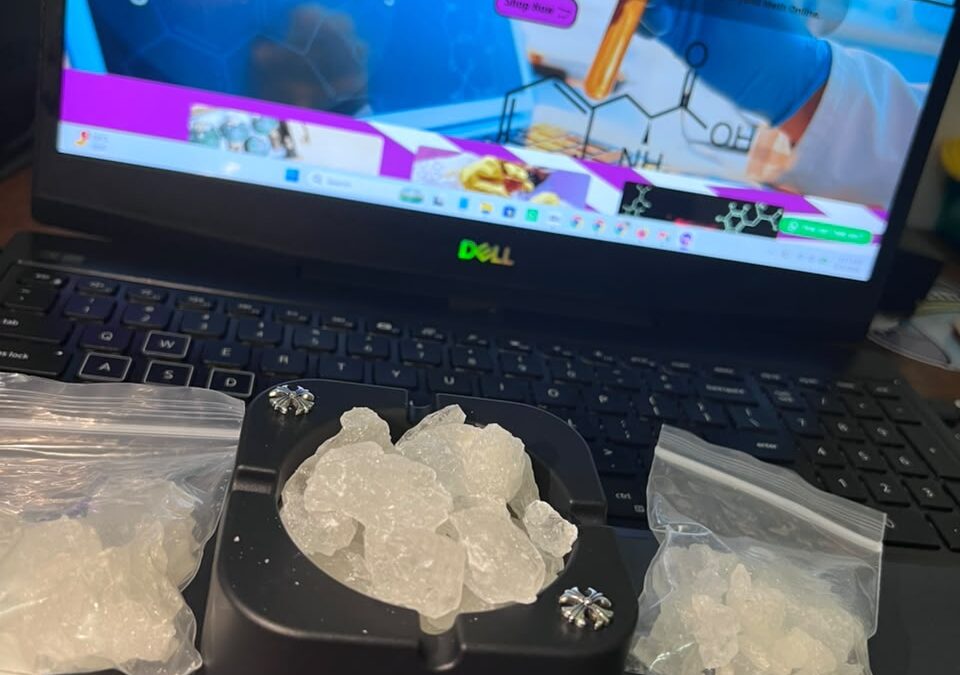
Crystal meth refers to methamphetamine in crystalline form, particularly material encountered in illicit drug markets.
Is crystal meth a separate drug?
No.
Crystal meth is not a separate pharmacological class.
Its stimulant properties come from methamphetamine.
Why do people use different names?
Different names may describe physical appearance, social context, or informal terminology.
The word crystal refers to the substance’s crystalline appearance.
The word meth is an abbreviation of methamphetamine.
Other informal names may vary by region.
Does crystal meth have different health effects?
Crystal meth has the pharmacological effects of methamphetamine.
However, actual exposure and health risks can vary because illicit products may differ in composition, purity, and other characteristics.
Methamphetamine vs. Amphetamine: Are They the Same?
Methamphetamine and amphetamine are chemically related but distinct substances.
Both belong to the broader family of amphetamine-type stimulants.
They influence neurotransmitters involved in alertness, attention, motivation, and reward.
What is amphetamine?
Amphetamine is a central nervous system stimulant used in certain prescription medications.
It can increase dopamine and norepinephrine activity.
Depending on the formulation and jurisdiction, amphetamine-based medications may be prescribed for conditions such as ADHD and narcolepsy.
What is methamphetamine?
Methamphetamine is a related stimulant with an additional methyl group in its chemical structure.
This structural difference influences its pharmacological characteristics.
How do their chemical structures differ?
Amphetamine has the molecular formula C₉H₁₃N.
Methamphetamine has the molecular formula C₁₀H₁₅N.
Although the difference may appear small, chemical structure can influence how a compound behaves in the body.
Do amphetamine and methamphetamine affect the same neurotransmitters?
Both primarily affect dopamine and norepinephrine signaling.
However, the intensity and duration of their effects depend on the compound, formulation, dose, route of exposure, and individual factors.
Are both substances addictive?
Both have misuse and addiction potential.
The risk varies according to exposure patterns and other circumstances.
Appropriately prescribed stimulant medication should not be equated with consuming an illicit drug of unknown composition.
Adderall vs. Methamphetamine: What Is the Difference?
Adderall is a prescription stimulant medication containing mixed amphetamine salts.
Methamphetamine is a different chemical compound.
Although they are related, they are not identical.
What is Adderall?
Adderall is a medication used to treat certain conditions, including attention-deficit/hyperactivity disorder and narcolepsy, according to the formulation and prescribing information.
It works by influencing neurotransmitter systems involved in attention and alertness.
Is Adderall methamphetamine?
No.
Adderall contains amphetamine salts, not methamphetamine.
The two substances share certain pharmacological characteristics because they belong to related stimulant families.
Adderall vs. methamphetamine comparison
| Characteristic | Adderall | Methamphetamine |
|---|---|---|
| Active ingredient | Mixed amphetamine salts | Methamphetamine |
| Drug class | Central nervous system stimulant | Central nervous system stimulant |
| Chemical identity | Amphetamine compounds | Methamphetamine |
| Prescription applications | ADHD and narcolepsy, depending on approval | Limited medical indications |
| Regulatory status | Controlled prescription medication | Controlled substance with limited prescription uses |
| Addiction potential | Present, particularly with misuse | High, particularly with illicit use |
| Pharmaceutical quality control | Yes, for approved products | Yes, for approved medications, not illicit products |
Does Adderall produce the same effects as crystal meth?
Both can influence dopamine and norepinephrine activity.
However, comparing their effects requires consideration of the specific formulation, amount, and circumstances.
It is misleading to assume that properly supervised ADHD treatment is equivalent to illicit crystal meth consumption.
Can Adderall cause dependence?
Yes.
Prescription stimulants can produce physical dependence and may be misused.
Healthcare professionals consider these risks when prescribing and monitoring treatment.
Can prescription stimulant misuse cause overdose?
Yes.
Misuse of prescription stimulants can cause serious cardiovascular and neurological complications.
The presence of a legitimate medical application does not eliminate the potential for harm.
Is Speed Methamphetamine?
The word speed is an informal street term commonly associated with stimulant substances.
Its meaning differs across regions.
In some places, it usually refers to amphetamine.
Elsewhere, it may refer to methamphetamine or other stimulant products.
Is speed a scientific drug name?
No.
Speed is not a precise chemical or pharmaceutical designation.
Because it is an informal term, it cannot reliably identify the substance involved.
Is all speed crystal meth?
No.
A product described as speed may contain amphetamine, methamphetamine, or another substance.
Its chemical identity cannot be confirmed by the name alone.
Why are street names unreliable?
Informal drug terminology changes across locations and social groups.
The same name may describe different substances, while the same substance may have multiple names.
This creates additional risks when people make assumptions about chemical composition.
Is Methamphetamine a Stimulant or a Narcotic?
Methamphetamine is pharmacologically classified as a central nervous system stimulant.
It increases activity in neurotransmitter systems associated with alertness, attention, and the body’s stress response.
What is a stimulant?
A stimulant is a substance that increases certain types of activity within the central nervous system.
Depending on the substance, effects may include increased wakefulness, elevated heart rate, and changes in attention or behavior.
What is a narcotic?
The word narcotic has different meanings in medical and legal contexts.
In modern medical language, it is commonly associated with opioid medications.
Some legal systems use the term more broadly when referring to controlled substances.
Is crystal meth a narcotic?
Methamphetamine is not an opioid narcotic in the pharmacological sense.
It is a stimulant.
Is Methamphetamine an Opioid?
No.
Methamphetamine and opioids belong to different drug classes.
Methamphetamine primarily affects monoamine neurotransmitter systems.
Opioids primarily act through opioid receptors.
What are opioids?
Opioids are substances that interact with opioid receptors.
They include medications such as morphine, oxycodone, and fentanyl.
Opioids may be prescribed for pain management under appropriate medical circumstances, but they also carry risks of dependence, addiction, and overdose.
Is methamphetamine an opiate?
No.
Opiates are a subset of opioids associated with naturally occurring compounds from opium.
Methamphetamine is chemically different.
Methamphetamine versus opioids
| Feature | Methamphetamine | Opioids |
|---|---|---|
| Drug class | Stimulant | Opioid |
| Main mechanism | Changes monoamine neurotransmitter signaling | Activates opioid receptors |
| Common acute effects | Increased alertness and cardiovascular stimulation | Pain relief, sedation, slowed breathing |
| Major overdose risks | Overheating, seizures, cardiovascular emergencies | Respiratory depression |
| Naloxone reversal | No direct reversal | Can reverse opioid effects |
Can methamphetamine and opioids be present together?
Yes.
Some people use multiple substances, and illicit drug products may contain unexpected compounds.
Mixed-drug exposure can make symptoms more difficult to interpret and increase health risks.
Why Is Naloxone Used for Opioids but Not Methamphetamine?
Naloxone blocks opioid receptors and can reverse opioid-related respiratory depression.
Methamphetamine does not primarily produce its effects through opioid receptors.
Consequently, naloxone does not reverse methamphetamine toxicity itself.
However, if an unknown substance contains an opioid, naloxone may still be lifesaving.
Emergency medical services should be contacted whenever a serious overdose is suspected.
Is Methamphetamine a Prescription Drug?
Methamphetamine has limited legitimate medical uses in certain jurisdictions.
In the United States, prescription methamphetamine has historically been available under the brand name Desoxyn.
Its use is tightly controlled.
Is prescription methamphetamine the same as illicit crystal meth?
The active chemical may be the same, but the products differ substantially in formulation, quality assurance, regulatory oversight, and intended use.
Pharmaceutical products are manufactured according to standards governing identity, strength, purity, and quality.
Illicit crystal meth is not subject to those protections.
Why does medical supervision matter?
A healthcare professional evaluates potential benefits, contraindications, adverse effects, and treatment response.
Monitoring is particularly important for stimulant medications because of their effects on blood pressure, heart rate, appetite, sleep, and mental health.
Does medical use mean methamphetamine is harmless?
No.
A substance can have legitimate medical applications while also carrying significant risks.
Appropriate medical use involves weighing potential benefits against those risks.
Crystal Meth vs. Prescription Stimulants: Why Product Quality Matters
One of the most important distinctions between regulated medications and illicit substances is product quality.
Approved pharmaceutical products are manufactured under established standards.
Their active ingredients and labeled strengths are subject to regulatory requirements.
Illicit products may vary in composition and contain unexpected substances.
Why is unknown purity dangerous?
A product’s appearance does not reveal its active ingredient concentration.
Two samples that look similar may produce very different effects.
Can crystal meth contain other drugs?
Illicit substances may contain additional compounds or contaminants.
The presence of unexpected opioids is particularly concerning because opioid overdose can involve dangerous respiratory depression.
Can someone identify a substance by color or smell?
No.
Color, texture, and odor cannot reliably establish chemical identity or purity.
Laboratory analysis is required for definitive identification.
Methamphetamine vs. Other Stimulants: Cocaine and Caffeine
Methamphetamine is sometimes compared with other stimulants because they can produce overlapping effects.
However, their pharmacology, medical uses, and risk profiles differ.
Methamphetamine versus cocaine
Both methamphetamine and cocaine can increase stimulant neurotransmitter activity.
However, they act through different combinations of mechanisms.
Cocaine primarily blocks the reuptake of certain neurotransmitters, while methamphetamine promotes neurotransmitter release and alters transport processes.
Both can cause serious cardiovascular and neurological complications.
Methamphetamine versus caffeine
Caffeine is a widely consumed stimulant found in coffee, tea, and other products.
Its primary mechanism involves blocking adenosine receptors.
Methamphetamine acts through different neurotransmitter mechanisms and has substantially different addiction and toxicity risks.
It is inaccurate to treat the two substances as equivalent simply because both can increase wakefulness.
How Do Different Stimulants Affect the Heart?
Many stimulants can increase heart rate or blood pressure.
However, the degree of risk depends on the substance, amount, formulation, individual health, and circumstances.
Methamphetamine exposure is associated with serious complications such as arrhythmias, cardiomyopathy, heart attack, and stroke.
Prescription stimulants can also affect cardiovascular function, which is why healthcare professionals assess relevant medical history and monitor patients when appropriate.
How Do Different Stimulants Affect Mental Health?
Stimulants influence brain systems involved in attention, mood, and alertness.
Adverse psychological effects can include anxiety, irritability, sleep disruption, and, in severe cases, psychotic symptoms.
The likelihood and severity of these effects vary.
Methamphetamine-related psychiatric complications can be particularly concerning when exposure is repeated or accompanied by prolonged sleep deprivation.
Can prescription stimulants cause psychosis?
Rarely, stimulant medications may contribute to psychotic or manic symptoms.
New hallucinations, delusions, or severe behavioral changes during prescribed treatment require prompt medical evaluation.
Does everyone who uses methamphetamine experience psychosis?
No.
The risk varies, and not everyone develops psychotic symptoms.
However, the possibility is clinically important.
Methamphetamine Drug Testing Compared With Amphetamine Testing
Drug testing can create confusion because amphetamine and methamphetamine are chemically related.
Some preliminary tests screen for a broader class of amphetamine-type substances.
Can Adderall cause a positive amphetamine test?
Yes.
Adderall contains amphetamine salts and may produce a positive result on an amphetamine screening test.
Does a positive amphetamine test prove methamphetamine use?
No.
A broad screening result does not necessarily establish which specific stimulant was present.
Confirmatory laboratory testing may be needed.
Can laboratory testing distinguish amphetamine from methamphetamine?
Specific confirmatory methods can distinguish these compounds.
In certain circumstances, additional specialized testing may be necessary to interpret the source of a result.
Legal Differences Between Methamphetamine and Prescription Stimulants
Drug laws vary by country and jurisdiction.
In the United States, methamphetamine and several prescription amphetamine products are controlled substances.
Possessing an appropriately prescribed medication under applicable laws is different from unauthorized possession or distribution.
Is crystal meth illegal?
Unauthorized possession, manufacturing, and distribution of illicit methamphetamine are illegal under U.S. federal law and many other jurisdictions.
Is Adderall legal?
Adderall is a controlled prescription medication in the United States.
Legal possession and use are subject to applicable prescription and controlled-substance requirements.
Are all stimulants controlled substances?
No.
Caffeine, for example, is widely available and is not regulated in the same manner as prescription amphetamines or methamphetamine.
Legal classification depends on the particular substance and jurisdiction.
Common Myths About Crystal Meth and Other Stimulants
Myth: Crystal meth and methamphetamine are different chemicals
Fact: Crystal meth is a crystalline form of methamphetamine.
Myth: Adderall contains methamphetamine
Fact: Adderall contains mixed amphetamine salts, not methamphetamine.
Myth: Every substance called speed is methamphetamine
Fact: Speed is an informal term that may refer to different stimulants.
Myth: Methamphetamine is an opioid
Fact: Methamphetamine is a stimulant and does not belong to the opioid drug class.
Myth: Prescription stimulants cannot cause addiction
Fact: Prescription stimulants have misuse and addiction potential, particularly when used outside medical instructions.
Myth: Clear crystal meth must be pure
Fact: Appearance cannot reliably establish purity or composition.
Myth: Naloxone reverses all drug overdoses
Fact: Naloxone reverses opioid effects but does not directly reverse methamphetamine toxicity.
Myth: Every stimulant has the same health risks
Fact: Risks differ according to chemical structure, formulation, exposure, individual health, and other circumstances.
Frequently Asked Questions About Crystal Meth and Other Drugs
Is crystal meth the same as methamphetamine?
Yes. Crystal meth refers to methamphetamine in crystalline form.
Is methamphetamine stronger than amphetamine?
The answer depends on the specific effects being compared, the formulation, and other factors. A simple universal strength comparison is misleading.
Is Adderall a type of methamphetamine?
No. Adderall contains amphetamine salts.
Is crystal meth an amphetamine?
Methamphetamine belongs to the broader amphetamine family, but it is chemically distinct from amphetamine itself.
Is speed crystal meth?
Sometimes the term speed is used for methamphetamine, but in other contexts it refers to amphetamine or other stimulants.
Is methamphetamine a narcotic?
It is pharmacologically a stimulant. Legal terminology may use the word narcotic more broadly.
Is crystal meth an opioid?
No.
Is methamphetamine an opiate?
No.
Can prescription stimulants cause addiction?
Yes, particularly when misused. Medical supervision helps manage risks during legitimate treatment.
Can methamphetamine be prescribed by a doctor?
Limited prescription uses exist in certain jurisdictions, subject to strict regulation and availability.
Does crystal meth cause different effects from pharmaceutical methamphetamine?
The active chemical is the same, but formulation, composition, amount, and exposure circumstances can substantially influence the effects.
Can methamphetamine cause overdose?
Yes. Severe toxicity can cause overheating, seizures, heart problems, stroke, and death.
Can Adderall cause a positive methamphetamine test?
Adderall may produce a positive amphetamine screening result. Specific confirmatory testing is needed to distinguish compounds and interpret results.
Why is crystal meth considered particularly dangerous?
Its powerful stimulant effects, high addiction potential, cardiovascular risks, psychiatric complications, and unpredictable illicit composition contribute to serious health concerns.
Can someone recover from methamphetamine addiction?
Yes. Evidence-based treatment and sustained support can help people recover.
Conclusion: Understanding the Differences Between Crystal Meth and Other Stimulants
Crystal meth, methamphetamine, amphetamine, Adderall, and speed are frequently discussed together, but the terms should not be treated as interchangeable.
Crystal meth is a crystalline form of methamphetamine.
Adderall contains mixed amphetamine salts rather than methamphetamine.
Speed is an informal name that may refer to different stimulants.
Methamphetamine is not an opioid or an opiate, and its effects differ substantially from those of opioid medications.
Understanding these distinctions is important for interpreting medical information, recognizing health risks, and avoiding misconceptions.
The broader lesson is that chemical identity, pharmaceutical quality, exposure circumstances, and medical supervision all matter.
Accurate education should help readers understand these differences without minimizing the risks associated with stimulant misuse.
Suggested internal links: What Is Crystal Meth? | Effects of Crystal Meth on the Brain and Body | Methamphetamine Addiction and Withdrawal | Crystal Meth Overdose and Detection Times